

Responsive parenting is a simple yet powerful approach that involves tuning into your child’s emotions and providing them with the appropriate support and reassurance. Research has shown that sensitive, responsive parenting is linked to better cognitive outcomes in children, such as improved language development and problem-solving abilities. It can also protect children from chronic disease […]

Enhancing Your Infant’s Emotional Skills: Practical Tips
Fostering social-emotional development in infants and toddlers is vital for their overall growth and well-being. It involves helping them experience, express, and manage their emotions, as well as form positive relationships with others. In this article, we will explore what social-emotional development is, discuss developmental milestones, and provide practical tips for enhancing your infant’s emotional […]
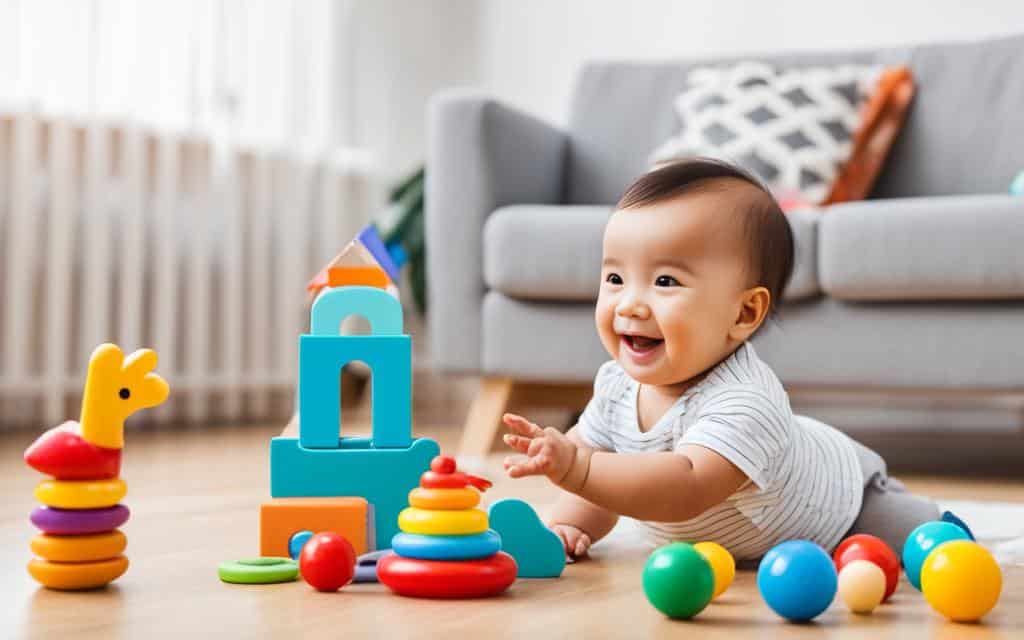
Cultivating Early Emotional Skills in Your Baby
When it comes to your baby’s development, fostering early emotional skills is crucial. Building strong emotional skills in the early years sets the foundation for their social and cognitive growth. By focusing on early emotional skills, you can help your baby navigate their feelings, form healthy relationships, and develop important life skills. During the first […]

Understanding Emotional Development in Preterm Babies
Welcome to our in-depth exploration of emotional development in preterm babies. This section will provide valuable insights into the unique challenges faced by these infants and the crucial role of care practices in nurturing their emotional well-being. Emotional development plays a vital role in shaping children’s overall growth and happiness. For preterm babies, who are […]

Top Tips for Ensuring Your Newborn’s Emotional Health
Welcome to our informative article on nurturing your newborn’s emotional well-being. As parents, it’s essential to create a loving and secure environment for your precious bundle of joy. The early stages of your baby’s life are crucial for their emotional development, and by implementing these expert tips, you can lay the foundation for a healthy […]
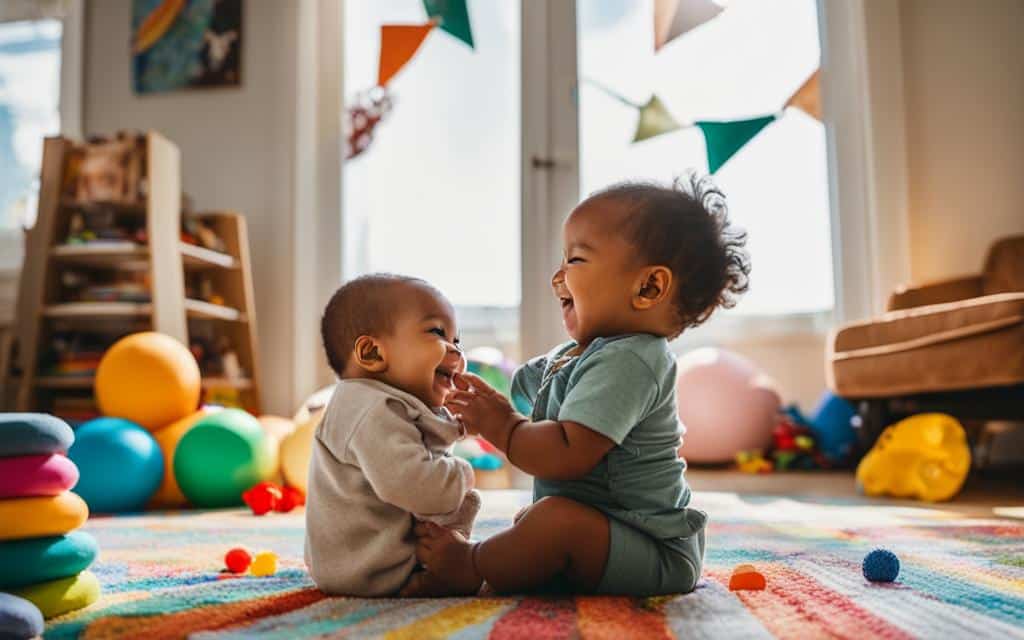
The Role of Emotional Interaction in Baby Language Development
Emotional interaction plays a significant role in the development of baby language skills. Understanding the impact of emotional interaction on infants’ language development is crucial for parents and caregivers. In this article, we will explore how emotional interaction influences language development in babies and discuss strategies to enhance this process. Research indicates that emotional interaction […]
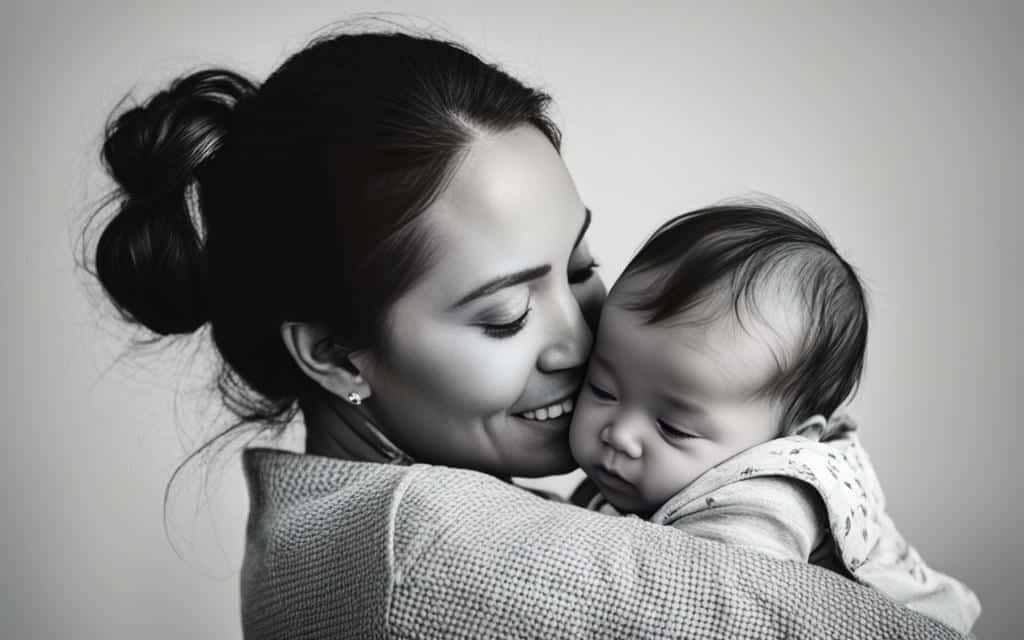
Recognizing and Meeting Your Baby’s Emotional Needs
Babies have an incredible capacity for emotional development from the earliest stages of life. By understanding and responding to their emotional needs, parents play a pivotal role in promoting their well-being and fostering a strong parent-child bond. This section will explore key aspects of recognizing and meeting your baby’s emotional needs, including their emotional understanding […]

Supporting Your Baby’s Emotional Health Postpartum
Welcome to the exciting journey of motherhood! As you embark on this new chapter, it’s important to prioritize the emotional well-being of both yourself and your baby. The postpartum period can bring about a range of emotions, from joy and fulfillment to exhaustion and stress. Enhancing postpartum emotional health is crucial for creating a nurturing […]
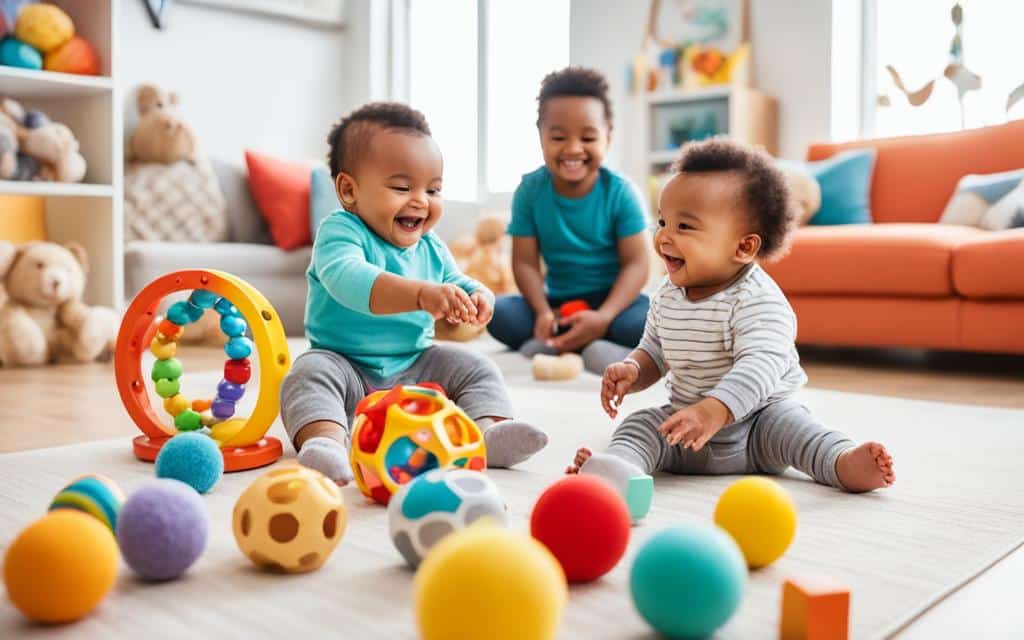
Top Toys to Promote Emotional Development in Infants
Emotional development is a crucial aspect of a child’s growth, and selecting the right toys can play a significant role in fostering this development. Sensory learning and social-emotional learning (SEL) are essential skills that infants need to develop. Sensory learning involves understanding the world through the five senses, while SEL focuses on conveying and understanding […]

Interpreting Baby’s Cry: Emotional Meanings Uncovered
Understanding the emotion behind a baby’s cry can be a challenging yet rewarding aspect of parenting. Crying is a natural way for babies to communicate their needs and emotions. During the first few weeks after birth, babies rely on crying as their primary means of expressing hunger, discomfort, tiredness, or the need for a diaper […]